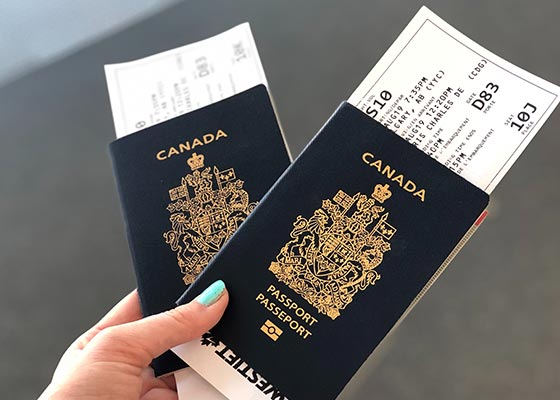
When applying for a Canadian visa, there are many reasons why your application could be rejected. This includes financial issues, lack of proper documentation, medical or health concerns, criminal background checks, or insufficient ties to your home country. It is essential to understand the specific reasons in the rejection letter and address any issues that may have been raised. Depending on the nature of your rejection, you can submit additional information or documents that can help support your case and increase your chances of having the decision overturned.

Once your visa is refused, a few options exist to proceed with your visa application process under Canada Visa Refusal and Reapplication. The possibilities are reconsideration, reapplication, the appeal of the decision, or applying for a Judicial review.
A reconsideration is an appeal of the original decision made by the Immigration officer. Please note reconsideration request is not a new application – it is a chance for you to provide additional information or clarify any misunderstandings that may have led to your initial rejection as part of the Canada Visa Refusal and Reapplication process.
If you decide to reapply for a Canadian visa under Canada Visa Refusal and Reapplication, it is crucial to ensure that all information in the new application is correct and up to date. You should also review all instructions and requirements of the visa category you are applying for, as these may have changed since your original application was rejected.
In conclusion, if your Canadian visa application has been rejected, options may still be available under Canada Visa Refusal and Reapplication. Depending on the circumstances of your case, this could include appealing the decision, reapplying for a visa, submitting a pre-removal risk assessment (PRRA) application, applying for a temporary residence permit (TRP), or requesting humanitarian and compassionate consideration. It is crucial to remember that these options may not be available to everyone, so it is best to discuss your case with an immigration specialist or our lawyer.
It may be possible to appeal the rejection of your visa application, in some cases. If you decide to appeal, you should submit all necessary documents and evidence immediately. It is also important to note that appeals typically take longer than reapplication procedures and may not always be successful.
If you decide to appeal a Canadian visa refusal, it is vital to understand the process involved. Depending on the visa refusal type, options may be available for appealing the decision.
In some cases, if you are facing removal from Canada due to a visa rejection or other immigration issue, submitting a pre-removal risk assessment (PRRA), the application may be possible. PRRA applications are used to assess any potential risks that an individual may face in their home country. If approved, you may be able to remain in Canada temporarily until the decision is made.
If your visa application was refused due to criminal background checks, you might be eligible for a temporary residence permit (TRP). TRPs allow individuals to remain in Canada temporarily, even if they have been convicted of certain criminal offenses. To be eligible for a TRP, you must demonstrate that you are not a risk to Canadian society and that there are compelling reasons to remain in the country.
In some cases, individuals may be eligible to apply for permanent residency on humanitarian and compassionate grounds. If approved, this would allow them to remain in Canada even if their visa application was rejected. To be eligible for humanitarian and compassionate consideration, an individual must demonstrate that they are facing exceptional circumstances that could cause undue hardship if they return to their home country. Such considerations include severe medical conditions, family connections in Canada, or financial hardship.
In conclusion, if your Canadian visa application has been rejected, options may still be available. Depending on the circumstances of your case, this could include appealing the decision, reapplying for a visa, submitting a pre-removal risk assessment (PRRA) application, applying for a temporary residence permit (TRP), or requesting humanitarian and compassionate consideration. It is crucial to remember that these options may not be available to everyone, so it is best to discuss your case with an immigration specialist or our lawyer.
You can book a consultation with our experienced immigration professionals to discuss your case.